
Social Commerce Is Changing Retail
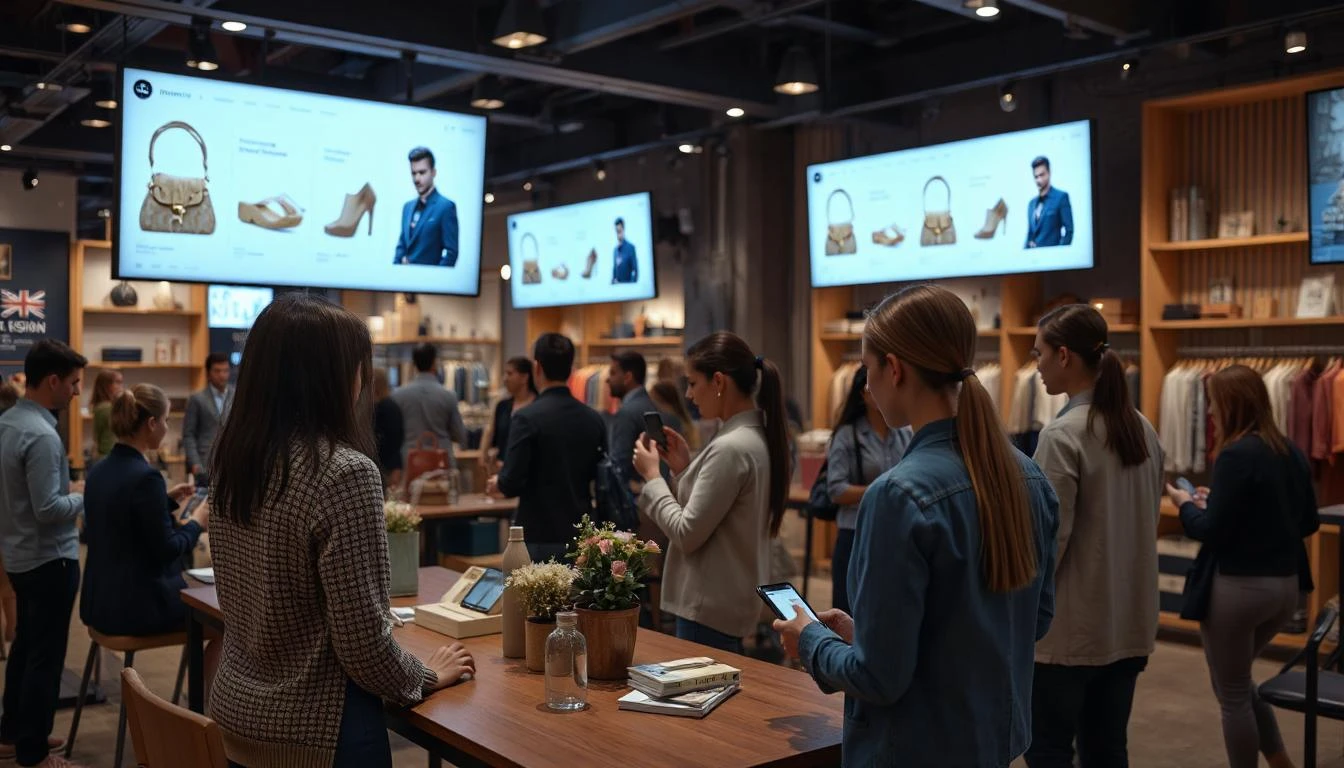
The way people discover and buy products has changed dramatically over the last few years. Consumers no longer rely solely on search engines, online stores, or traditional advertisements to make purchasing decisions. Instead, they spend hours scrolling through social platforms, watching product reviews, engaging with creators, and finding recommendations from people they trust. What seems like casual browsing often turns into an immediate purchase, creating a completely new shopping journey that feels faster, more personal, and more engaging than ever before.
The driving force behind this transformation is social commerce growth, a trend that is reshaping the retail industry at an unprecedented pace. Brands are no longer competing only through product quality or pricing. They are competing for attention, trust, and engagement within digital communities where purchasing decisions are increasingly influenced by conversations, recommendations, and authentic experiences shared across social platforms.
Understanding The Growth Of Social Commerce
Retail and social media were once considered separate worlds. Today, those boundaries are disappearing as social platforms become powerful shopping destinations where consumers can discover products, compare options, and complete purchases without leaving the app.
One of the biggest catalysts behind this shift is creator driven sales, which have transformed how brands connect with audiences. Instead of relying entirely on traditional advertising, businesses are increasingly partnering with creators who have built loyal communities and established trust with their followers.
Evolution from social media to shopping
Social media platforms originally focused on communication and entertainment. Over time, they evolved into sophisticated commercial ecosystems equipped with product catalogs, integrated checkouts, live shopping tools, and personalized recommendations. Consumers can now move from product discovery to purchase within minutes. This seamless experience reduces friction and creates a smoother customer journey.
Consumer behavior in digital marketplaces
Consumer expectations have changed significantly. Modern shoppers want convenience, authenticity, and instant access to information before making a purchase decision. Marketing expert Seth Godin once noted that “people buy relationships, stories, and trust before they buy products.” This observation perfectly reflects today's digital marketplace, where emotional connection often influences purchasing decisions more than traditional promotional messaging.
The influence of creator driven sales
Creators have become one of the most influential forces in modern commerce. Their recommendations often carry more credibility because audiences view them as relatable individuals rather than corporate advertisers. Whether showcasing beauty products, technology gadgets, fashion collections, or lifestyle solutions, creators help consumers visualize how products fit into everyday life.
How Social Commerce Transforms Retail
The rise of social commerce is not simply changing where people shop. It is transforming how retailers communicate, market, and build long-term customer relationships in an increasingly competitive digital environment.
Direct purchasing through social platforms
Integrated shopping features have simplified the purchasing process. Consumers can discover a product through a post, watch a demonstration video, read reviews, and complete the transaction within a single platform.
Personalized shopping experiences
Personalization has become one of the defining characteristics of social commerce. Advanced algorithms analyze user behavior, interests, engagement patterns, and previous purchases to deliver highly relevant product recommendations. Artificial intelligence, customer behavior analytics, personalized recommendations, social shopping trends, and predictive marketing are becoming increasingly important in delivering these customized experiences.
Real time customer engagement
One of the greatest advantages of social commerce is the ability to interact with customers instantly. Questions can be answered within minutes, concerns can be addressed immediately, and feedback can be gathered in real time. This level of responsiveness helps build trust and transparency. Customers feel more connected to brands when they can engage directly through comments, messages, live streams, and community discussions.
Future Trends In Social Commerce
As technology continues to evolve, social commerce is expected to become even more sophisticated. Emerging innovations are creating new opportunities for brands while fundamentally changing how consumers interact with products online.
Live shopping expansion
Live shopping has rapidly emerged as one of the most engaging retail formats. Consumers can watch product demonstrations, ask questions, receive instant responses, and make purchases during a live broadcast. This combination of entertainment and commerce creates a highly interactive environment that encourages participation and increases purchase confidence. Many brands are already seeing significant success through live commerce strategies.
AI powered product recommendations
Artificial intelligence is becoming a cornerstone of modern retail experiences. AI-powered systems can analyze vast amounts of consumer data and identify patterns that help predict future purchasing behavior. These technologies enable businesses to deliver more relevant recommendations, improve customer experiences, and increase sales efficiency. As AI capabilities continue advancing, personalized shopping journeys will become even more accurate and effective.
The rise of community driven brands
Communities are increasingly becoming the foundation of successful brands. Businesses that foster genuine engagement often develop stronger customer loyalty and long-term advocacy. Customers no longer want to feel like passive buyers. They want to participate, share feedback, contribute ideas, and connect with like-minded individuals. Brands that embrace community-driven strategies are often better positioned for sustainable growth.
Business professor Philip Kotler emphasized that “modern marketing is about creating meaningful value and building lasting relationships with customers.” This principle remains especially relevant in the era of social commerce, where trust and community often determine long-term success.
Grow Your Business With Social Commerce Strategies
The future of retail belongs to businesses that understand how people discover and buy products today. Social commerce is no longer an emerging trend. It has become a powerful channel that connects content, community, trust, and purchasing behavior into one seamless experience. As consumer expectations continue evolving, brands that prioritize authenticity, engagement, personalization, and innovation will be better positioned to stand out in increasingly crowded digital marketplaces.
The opportunity is no longer about simply selling products. It is about becoming part of the conversations that influence purchasing decisions every day. If there is one takeaway from this transformation, it is this, the businesses that adapt to social commerce today will be the ones leading tomorrow's retail landscape. Start embracing social commerce strategies now and position your brand where modern consumers are already making their buying decisions.