Personal AI Assistants Go Mainstream

Artificial intelligence is quietly becoming one of the most influential technologies of this decade. What once seemed like a futuristic concept is now helping people manage schedules, organize information, automate repetitive tasks, and simplify everyday responsibilities. Whether you are a student, entrepreneur, remote worker, or casual technology user, AI is increasingly becoming a trusted companion that helps reduce complexity in a fast-moving digital world.
As this transformation accelerates, intelligent digital assistants are emerging as a central part of modern life. These advanced systems can understand context, learn user preferences, and provide personalized support across multiple devices and platforms. Their growing popularity reflects a larger shift in how people interact with technology, where convenience, efficiency, and intelligent automation are becoming everyday expectations rather than premium features.
Why Personal AI Assistants Are Becoming Essential
Technology is evolving at a remarkable pace, but one question remains increasingly relevant, how can people keep up with growing demands without becoming overwhelmed? This is where personal AI assistants are making a meaningful difference. By automating routine activities and reducing mental workload, these tools are becoming essential for both professional and personal productivity. The rise of AI productivity tools has accelerated this trend. Businesses, students, freelancers, and everyday consumers are turning to AI-powered solutions to save time, improve efficiency, and manage information more effectively than ever before.
Growing Demand For Productivity Automation
The demand for automation continues to grow as people juggle more responsibilities across work and personal life. Modern AI assistants can automatically schedule appointments, organize tasks, summarize meetings, and even prioritize emails based on urgency. Instead of spending valuable hours on repetitive administrative work, users can focus their attention on creative thinking, strategic planning, and decision-making. This shift is helping individuals achieve more while experiencing less digital fatigue.
AI Integration In Daily Routines
AI assistants are no longer limited to workplace environments. They are becoming deeply integrated into everyday routines, helping users manage calendars, set reminders, track habits, and discover relevant information faster. Many people already interact with AI daily through voice commands, recommendation systems, navigation applications, and smart devices.
Consumer Adoption Across Industries
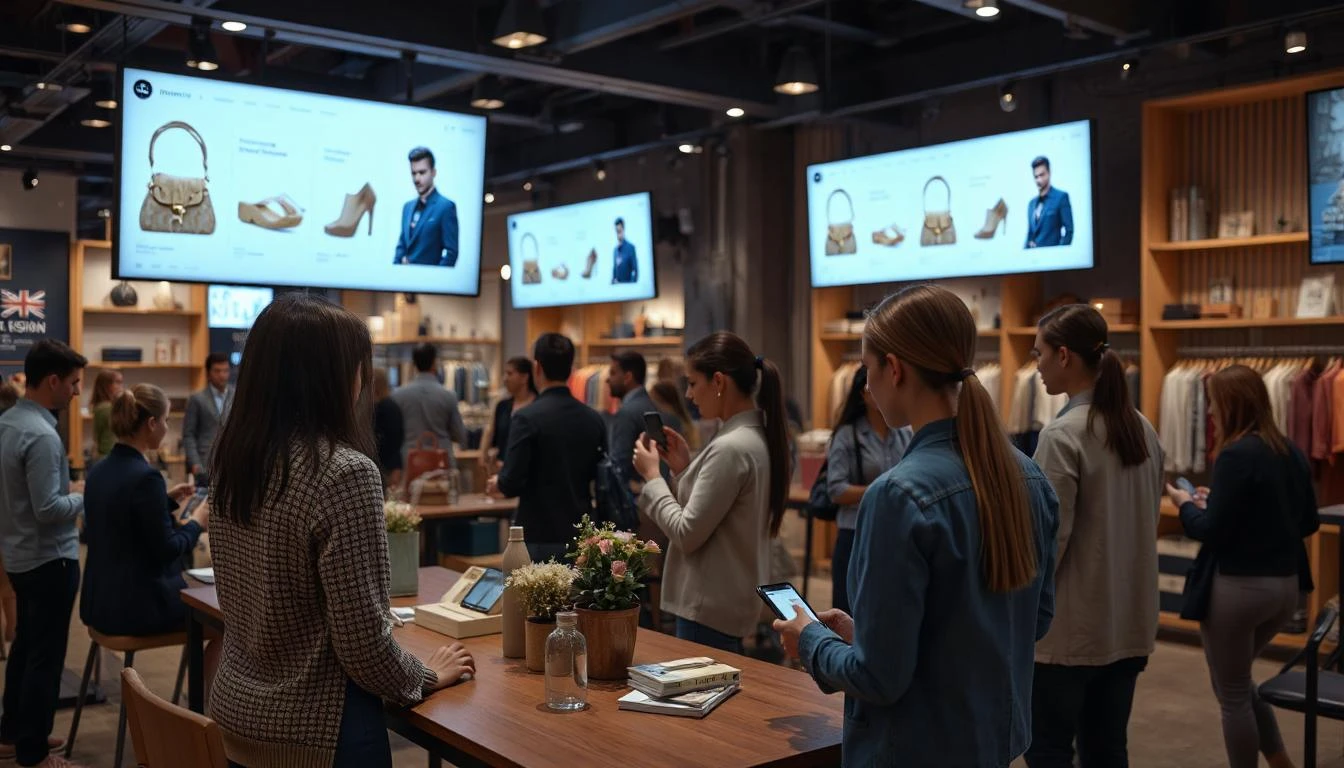
The expansion of AI assistants can be seen across healthcare, education, finance, retail, and customer service industries. Organizations are implementing AI solutions to improve communication, streamline operations, and deliver more personalized experiences. According to Sundar Pichai, “artificial intelligence is one of the most profound technologies humanity is working on.” This statement reflects the growing significance of AI as industries continue to invest heavily in intelligent automation and digital transformation initiatives.
Key Features Of Modern AI Assistants
The growing adoption of AI assistants is largely driven by their practical capabilities. These systems are no longer simple digital helpers. They are evolving into intelligent partners capable of adapting to user behavior, learning preferences, and delivering increasingly personalized experiences.
Smart Scheduling And Task Management
One of the most valuable features of modern AI assistants is intelligent scheduling. These systems can analyze calendars, identify conflicts, suggest meeting times, and automatically organize priorities. For busy professionals and students alike, this functionality eliminates countless hours spent coordinating schedules. As a result, productivity improves while administrative stress decreases.
Personalized Recommendations
Personalization is what separates modern AI assistants from traditional software. By analyzing behavioral patterns and preferences, these systems provide highly relevant recommendations tailored to individual needs. Whether recommending content, optimizing workflows, or suggesting productivity improvements, AI assistants continuously refine their insights over time. This creates a more efficient and customized user experience that becomes increasingly valuable with continued use.
Natural Language Interactions
Advances in natural language processing have dramatically improved how users communicate with AI systems. Instead of relying on complex commands, people can now interact using everyday conversational language. This accessibility has contributed significantly to mainstream adoption. Users of all technical skill levels can engage with AI naturally, making advanced technology more approachable and practical for broader audiences.
The Impact Of AI Assistants On Work And Life
As AI assistants become more capable, their influence extends far beyond convenience. They are fundamentally changing how people organize information, manage responsibilities, and make decisions in both professional and personal settings.
Improving Workplace Efficiency
Organizations increasingly rely on AI-powered solutions to streamline workflows and improve operational efficiency. Employees can automate repetitive tasks, access information faster, and focus on higher-value activities that require creativity and critical thinking. This shift allows businesses to maximize productivity without necessarily increasing workloads.
Enhancing Personal Organization
Managing modern life often involves balancing countless responsibilities. AI assistants simplify this challenge by centralizing information, organizing schedules, and helping users stay on top of priorities. Rather than constantly switching between multiple applications and reminders, individuals can rely on a single intelligent system to maintain structure and reduce cognitive overload.
Supporting Decision Making Processes
AI assistants are also becoming valuable decision-support tools. By analyzing large amounts of data and identifying patterns, they can provide insights that help users make more informed choices. According to Satya Nadella, “AI is becoming a co-pilot for people, helping them amplify their capabilities rather than replace them.” This perspective highlights the growing relationship between human expertise and intelligent technology.
Embrace The Future Of AI Powered Productivity
The rapid rise of AI assistants raises an important question, how much time could be reclaimed if routine tasks were handled automatically? As these technologies continue to advance, their role in everyday life will only become more prominent. People who embrace AI strategically are likely to gain significant advantages in productivity, organization, and efficiency.
The goal is not to replace human thinking but to eliminate unnecessary friction and create more opportunities to focus on meaningful work, creativity, and innovation. The mainstream adoption of intelligent digital assistants represents more than a technology trend. It signals a fundamental shift toward smarter digital experiences where automation, personalization, and human capability work together to create better outcomes for individuals and organizations alike.